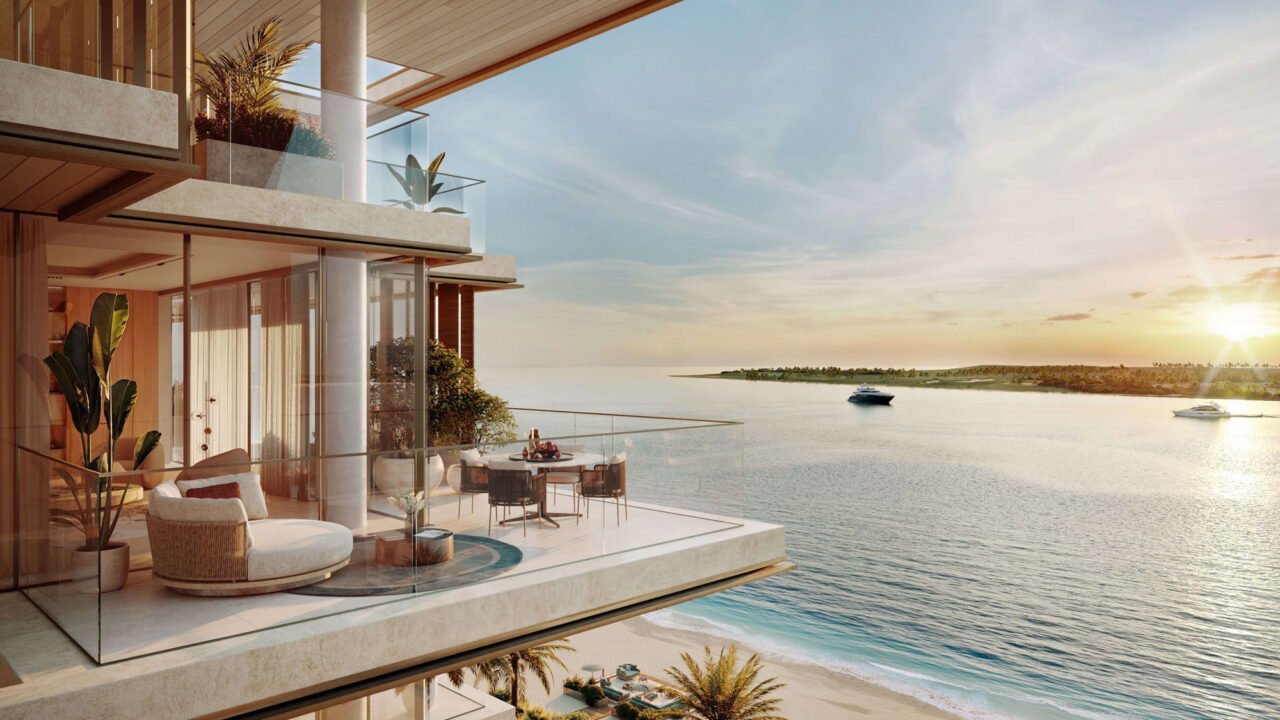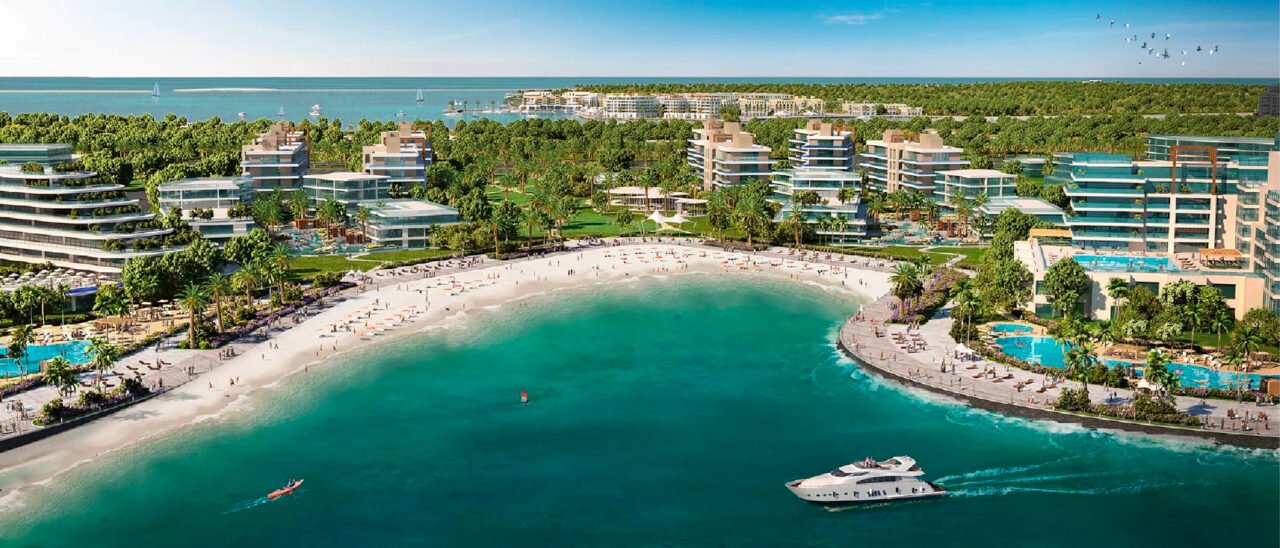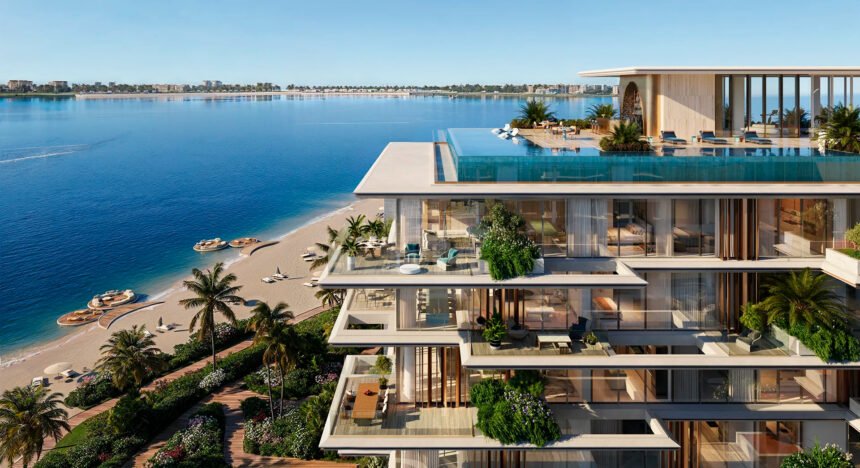
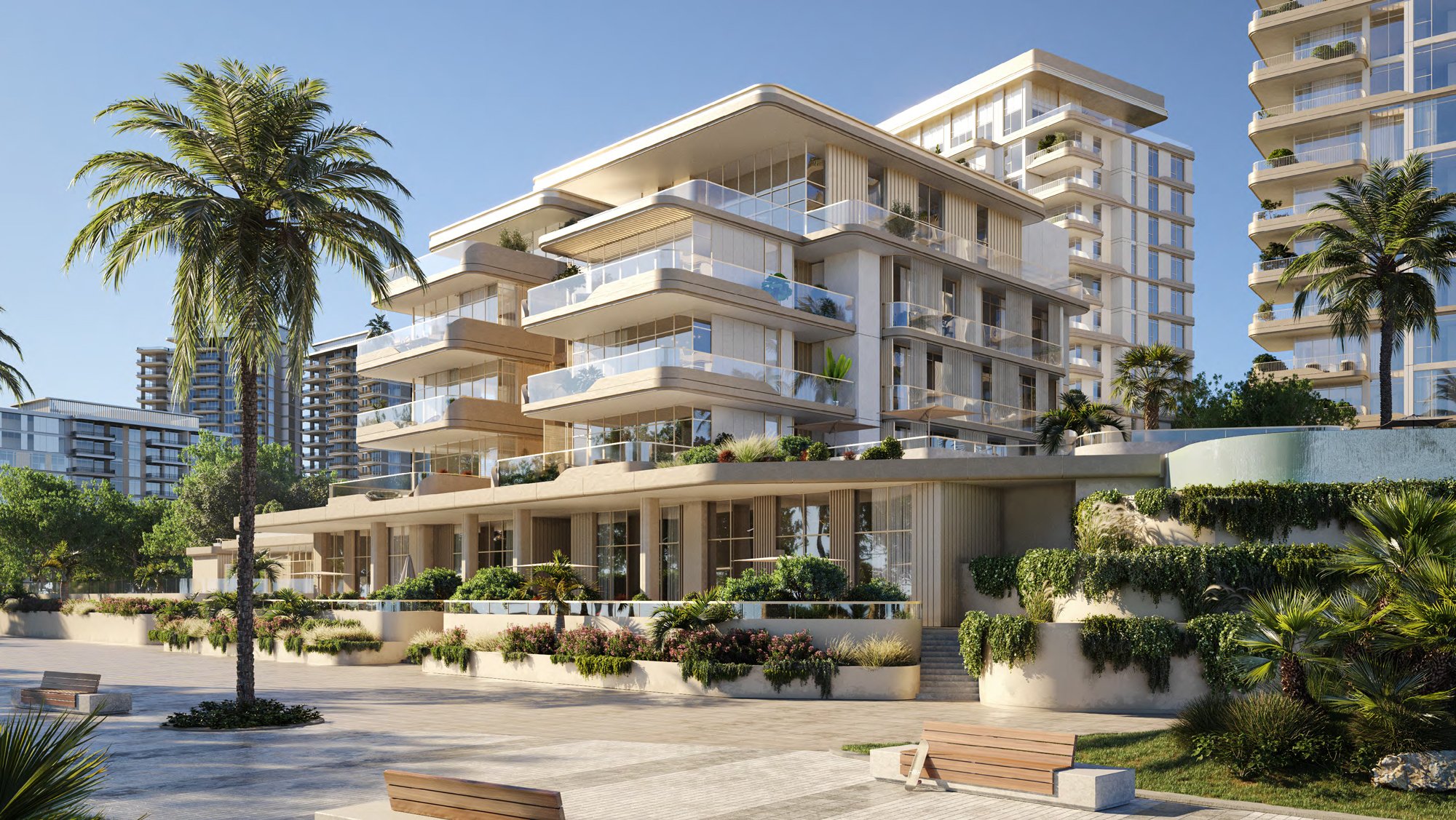
If you’ve been keeping a pulse on the Dubai real estate market, you know that the “center of gravity” is shifting. While the classic glitz of Dubai Marina, the established prestige of Palm Jumeirah, and the vibrant appeal of downtown Dubai remain iconic high-yield areas, the smart money in 2026 is moving toward the horizon—specifically toward the five-island masterpiece known as Dubai Islands.
As we navigate through 2026, Dubai Islands (formerly Deira Islands) has transitioned from a visionary blueprint into a tangible, high-yield reality within Dubai’s real estate market. For investors, the question is no longer “Will it work?” but rather “How much can I earn?”
In this comprehensive forecast, we break down the projected rental yields for Dubai Islands in 2026, the factors driving demand, and why this Nakheel mega-project is the ultimate “blue-chip” opportunity for international and local investors alike.
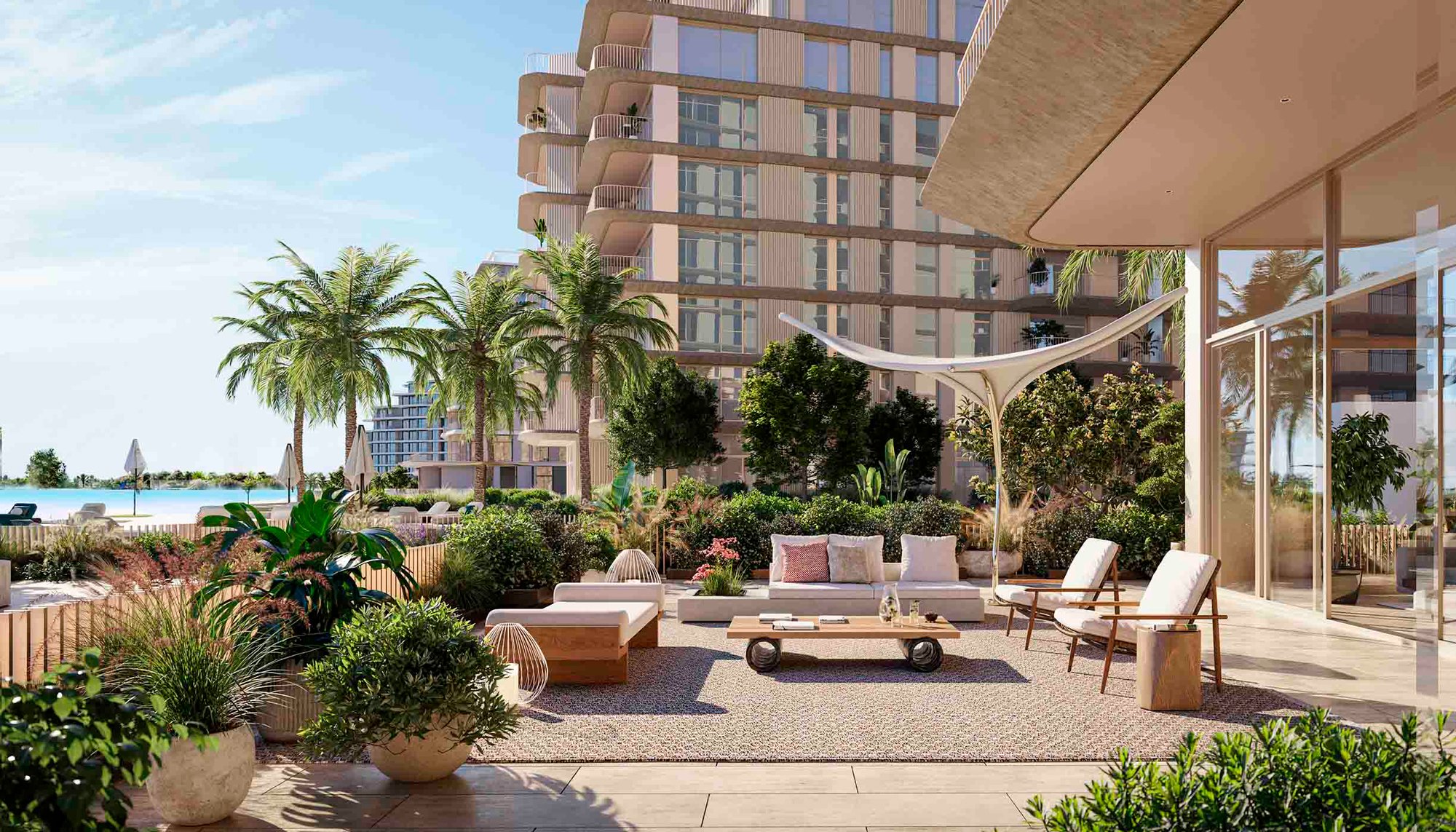
The 2026 Vision: Why Dubai Islands is the Investor’s New North Star
Dubai Islands isn’t just another waterfront development; it’s a 17-square-kilometer statement of intent. By 2026, the infrastructure has reached a critical mass. With the Infinity Bridge seamlessly connecting the islands to the heart of the city and the Dubai Metro Blue Line project adding further accessibility, these major infrastructure projects have significantly enhanced connectivity and investment value, so the “remoteness” that once concerned early skeptics has vanished.
The district offers something the older “Prime” areas are starting to lose: space, novelty, and entry-level luxury pricing. Dubai Islands features world class infrastructure, which plays a crucial role in attracting investors seeking stability and high quality of life. The area is rapidly joining the ranks of Dubai’s prime locations and business hubs, benefiting from strong lifestyle appeal, accessibility, and sustained rental demand.
The involvement of major developers like Nakheel further boosts investor confidence.
Why 2026 is the “Sweet Spot” for Investment:
- Population Surge: Dubai’s population is projected to hit 4.7 million by the end of this year. This influx of high-earning expats is creating a massive deficit in high-quality waterfront housing, driving strong rental demand across Dubai Islands.
- Tourism Peak: With over 80 hotels planned across the islands, the area is becoming a primary hub for the 19 million+ tourists visiting Dubai annually. This appeal to tourists further boosts rental demand for both short-term and long-term stays.
- Lifestyle Maturity: The opening of major beach clubs, marinas, and the Dubai Islands Mall has turned the area from a construction site into a “live-work-play” destination, mirroring the transformation seen in established communities and mid market communities across Dubai.
Looking ahead to 2026, Dubai Islands are forecasted to experience continued rental growth and price growth, supported by strong demand and ongoing development.

Decoding the Numbers: Expected Rental Yields in 2026
When we talk about “Rental Yields,” we are looking at the ROI (Return on Investment) generated by annual rent relative to the property’s purchase price. The average rental yield is a key performance indicator for property in Dubai, helping investors assess the profitability of their investments. Dubai’s property market remains dynamic and attractive, supported by strong demand and government initiatives.
In 2026, Dubai Islands is outperforming many of the city’s mature districts, as well as many global cities and global markets, due to its lower initial capital requirement and high demand for “New Dubai” living.
Average Yield Projections for 2026
| Property Type | Projected Gross Yield (Long-Term) | Projected Gross Yield (Short-Term/Holiday) |
|---|---|---|
| 1-Bedroom Apartment | 7.2% – 8.5% | 10% – 12% |
| 2-Bedroom Apartment | 6.8% – 7.8% | 9% – 11% |
| 3-Bedroom+ Luxury Penthouses | 6.0% – 7.2% | 8.5% – 10.5% |
| Waterfront Villas (Elite Island) | 5.2% – 6.5% | 7% – 9% |
Gross yields do not account for service charges or management fees. However, because many buildings on Dubai Islands are brand new, maintenance costs in 2026 remain significantly lower than in older districts like JBR or Downtown. The increased property supply and new supply entering the market on Dubai Islands are expected to support price stability, helping maintain competitive yields and balanced growth for investors.
- Apartments: The Yield Kings. One-bedroom units on Central Island and Shore Island are currently the “bread and butter” for investors, with their lower entry prices attracting those seeking strong income-generating opportunities. In 2026, these units are fetching premium rent from young professionals and digital nomads who want the island lifestyle without the $100,000+ annual price tag of Palm Jumeirah. These factors contribute to strong rental returns for investors in 2026.
- Branded Residences: The Premium Play. We are seeing a massive trend toward branded residences (collaborations with luxury fashion or hotel brands), where developer reputation plays a crucial role in achieving higher yields. These units on Dubai Islands are commanding a 15–20% rental premium over non-branded counterparts, often pushing net yields into the 8%+ territory for long-term leases. Investors in branded residences on Dubai Islands also stand to benefit from significant capital gains as these properties appreciate during key transitional phases and as the area develops further.

How to Calculate Your Rental Yield on Dubai Islands
Understanding how to calculate your rental yield is essential for any investor looking to maximize returns in Dubai’s dynamic property market. Rental yield is a key metric that helps you evaluate the earning potential of your investment, especially in high-demand areas like Dubai Islands where strong rental yields are a major draw.
Here’s a simple, step-by-step guide to calculating your rental yield on Dubai Islands:
- Determine Your Annual Rental Income: Start by researching the current rental market on Dubai Islands to find out the average annual rent for properties similar to yours. This figure should reflect realistic rental income based on recent rental trends and demand.
- Calculate Your Total Purchase Price: This includes not just the property’s sale price, but also any additional costs such as registration fees, taxes, and other transaction expenses.
- Work Out the Gross Rental Yield: Divide your annual rental income by the total purchase price, then multiply by 100 to get your gross yield percentage. This gives you a quick snapshot of your property’s earning power before expenses.
- Calculate the Net Rental Yield: For a more accurate picture, subtract ongoing expenses—like service charges, maintenance, and property management fees—from your annual rental income. Then, divide the result by your purchase price and multiply by 100. This net yield reflects your true return after costs.
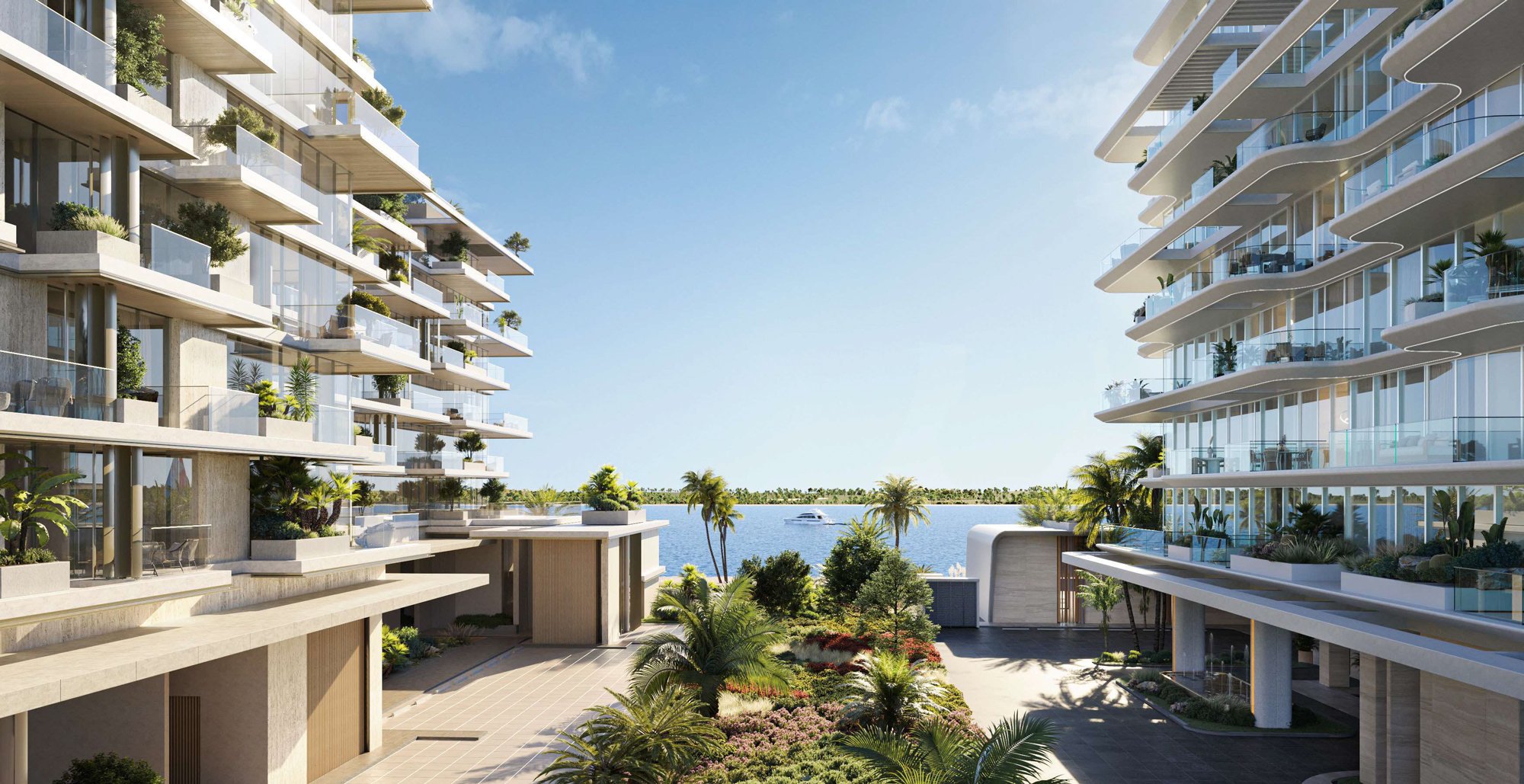
Short-Term vs. Long-Term: Where Does the Real Money Lie Amid Strong Rental Demand?
In 2026, the “AirBnB-ification” of Dubai Islands is in full swing. Because the islands are designed as a resort destination, they are uniquely suited for the short-term rental market. Investors should also consider the cash flow potential of short-term rentals, which can be higher than long-term rentals due to premium nightly rates, while long-term rentals may offer more stable, predictable cash flow.
When evaluating investment strategies, an investor’s risk tolerance plays a key role in choosing between short-term, long-term, and off plan investments. Those with higher risk tolerance may be drawn to off plan opportunities, which can offer greater capital appreciation and flexible payment options, while more risk-averse investors might prefer the stability of ready properties.
Off plan properties are especially appealing for investors seeking future growth, as they allow early entry into new developments with the potential for attractive returns.
The Short-Term Forecast (Holiday Homes)
With 20 km of pristine beaches and a plethora of water sports, Dubai Islands is a magnet for European and Asian tourists, driving strong rental demand from international visitors.
- The Advantage: You can earn significantly higher daily rates during the “winter peak” (October to April).
- The 2026 Reality: Short-term yields are reaching 11%–13% for well-managed, sea-view apartments. The proximity to the airport (just 15–20 minutes) makes it a top choice for layover travelers and short-stay vacationers.
- Flexible payment plans offered by developers make investing in short-term holiday homes on Dubai Islands more accessible and attractive for investors.
The Long-Term Forecast (Residential Leases)
For those who prefer a “set and forget” strategy, long-term rentals are providing unprecedented stability. These leases benefit from price stability and moderate rental growth, as the Dubai real estate market is expected to maintain resilient property values and steady rental prices in 2026. Long-term rentals also offer investors reliable cash flow, making them attractive for those seeking predictable income.
- The Driver: The shift of corporate offices toward the northern part of the city and the expansion of the Dubai Maritime City has brought a wave of executive tenants looking for 12-month contracts.
- The Yield: Expect a stable 7% to 8%. While lower than short-term, you avoid the high turnover costs and agency fees associated with holiday homes.

Infrastructure: The Silent Multiplier of Your ROI
You cannot talk about rental yields without talking about infrastructure. In 2026, several key projects have “de-risked” the Dubai Islands investment:
- The Infinity Bridge: This isn’t just a bridge; it’s a lifeline. It has slashed travel times to Bur Dubai and Deira by 50%, making the islands a viable residence for people working in the city’s traditional commercial hubs.
- The Marina Expansion: With space for over 1,000 yachts, the Marina on Dubai Islands is attracting high net worth individuals seeking luxury properties. Where the yachts go, the high-end tenants and investors follow, further boosting demand for premium real estate.
- Green Spaces & Wellness: 2026 is the year of “Sustainable Dubai.” The eco-friendly parks and walking tracks on the islands are a major selling point for health-conscious expats, allowing landlords to hold firm on higher rental prices.
Dubai Islands vs. The Alternatives: A Comparative Look
How does Dubai Islands stack up against the “old guard” in 2026?
- Vs. Palm Jumeirah: The Palm is iconic, but entry prices are astronomical. In 2026, while the Palm offers prestige, Dubai Islands offers double the rental yield for the same capital outlay.
- Vs. Dubai Marina: The Marina is densely populated and faces traffic congestion. Dubai Islands offers a “fresher” alternative with more modern amenities and better air quality, attracting tenants who are tired of the Marina “hustle.”
- Vs. Emaar Beachfront: While similar in vibe, Dubai Islands offers a more diverse range of price points, making it accessible to a wider pool of both investors and tenants.
When compared to other key investment areas such as Dubai Hills Estate, Jumeirah Village, Jumeirah Village Circle, Dubai Creek Harbour, Dubai South, and Business Bay, Dubai Islands stands out by offering competitive rental returns and modern amenities. While villa prices in established communities like Dubai Hills Estate and Jumeirah Village Circle have seen steady appreciation, Dubai Islands is joining the ranks of Dubai’s prime locations, providing investors with strong rental yields and the potential for capital growth. Business Bay continues to attract commercial demand and high rental yields, while Dubai Creek Harbour and Dubai South are recognized for their strategic locations and development prospects. Dubai Islands’ combination of lifestyle appeal, accessibility, and investment value positions it as a compelling alternative for investors seeking both rental income and long-term appreciation.
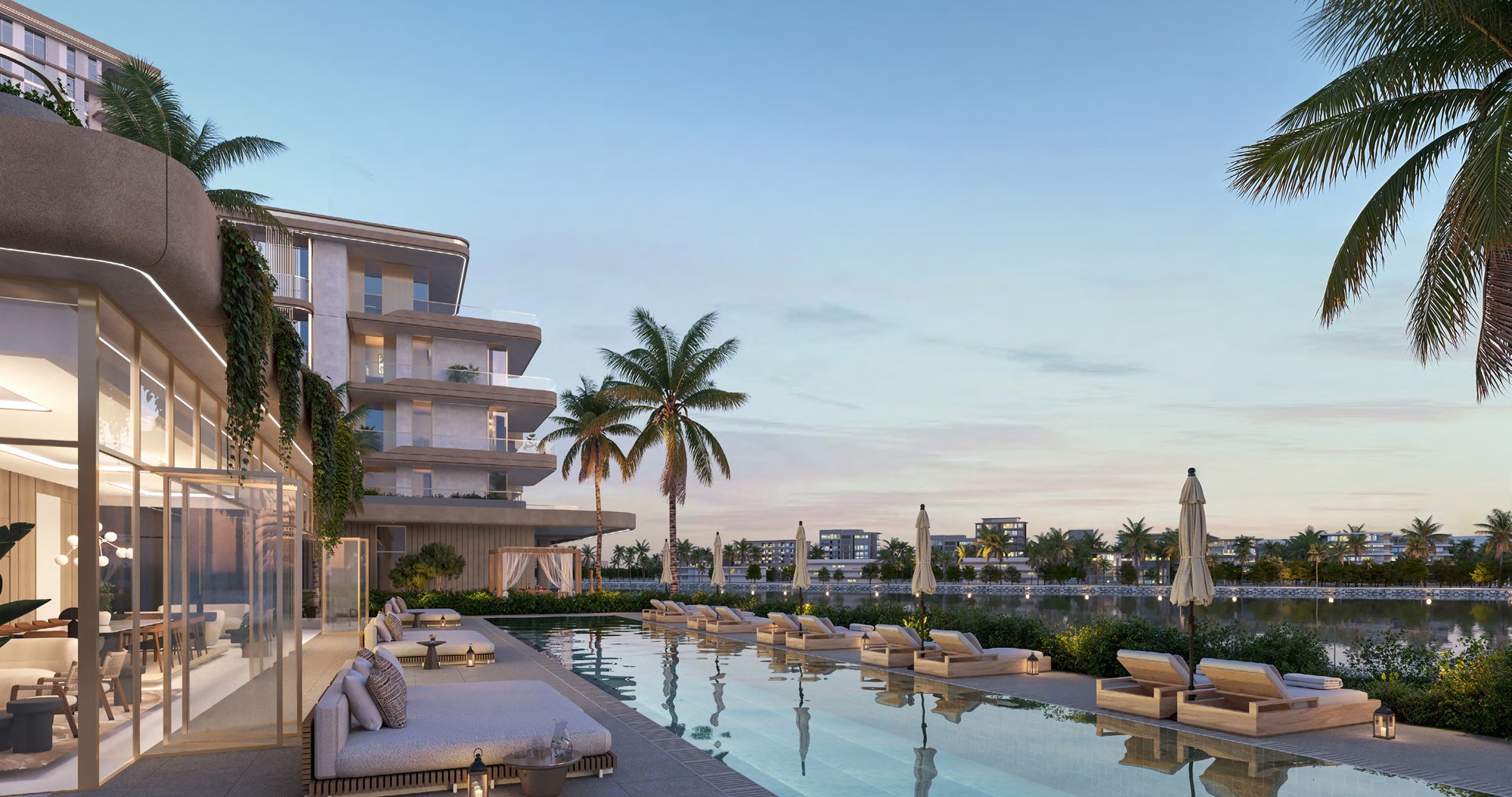
Government Initiatives and Market Transparency
Dubai’s real estate market is renowned for its investor-friendly environment, thanks in large part to robust government initiatives that promote transparency, stability, and sustained demand. These measures have played a pivotal role in boosting investor confidence and attracting global investors to key locations like Dubai Islands.
Key Government Initiatives Driving Market Confidence:
- Dubai Land Department (DLD): The DLD oversees all property transactions, ensuring a transparent and efficient registration process. This reduces the risk of disputes and guarantees that every transaction in the Dubai property market is secure and legitimate.
- Real Estate Regulatory Agency (RERA): As the regulatory arm of the DLD, RERA sets and enforces standards for real estate agents, brokers, and developers. This oversight ensures compliance with regulations and protects the interests of property buyers and investors.
- Secure Property Registration: Dubai’s advanced property registration system provides a clear, tamper-proof record of ownership, minimizing the risk of fraud and enhancing trust in the market.
- Access to Market Data: Both the DLD and RERA regularly publish comprehensive market data and reports. These resources offer valuable insights into dubai property prices, rental trends, and demand patterns, empowering investors to make data-driven decisions.
- Investor Protection Laws: Regulations such as the Escrow Law require developers to hold buyer payments in secure escrow accounts until project completion, safeguarding investor funds and ensuring accountability.
These initiatives have fostered a climate of stability and transparency, making Dubai’s property market a global hub for real estate investment. The government’s commitment to regulation and openness has supported population growth, driven sustained demand, and contributed to strong rental yields—especially in emerging communities like Dubai Islands.
With competitive dubai property prices, a transparent regulatory framework, and a track record of market stability, Dubai continues to attract international investors seeking significant returns and long-term capital growth. Whether you’re eyeing high rental yields or capital appreciation, Dubai’s property market offers a secure and promising landscape for your next investment.

Critical Factors for Maximizing Your 2026 Yield
To hit those 8%+ numbers, you need to be strategic. Not all properties on Dubai Islands are created equal. The rapid growth seen on Dubai Islands is reminiscent of the historic surges experienced in established communities and mid market communities like JVC, JVT, and Motor City, which have demonstrated consistent rental demand and stable returns. As property supply on Dubai Islands continues to increase, new opportunities are emerging for investors seeking both capital appreciation and reliable rental yields.
- View is Currency: On an island, a “partial sea view” vs. a “full sea view” can mean a 15% difference in rental income.
- Proximity to the Beach: Properties within a 5-minute walk of the public beach access points on Shore Island are seeing the highest occupancy rates.
- Furnishing Matters: In 2026, tenants are looking for “turnkey” solutions. Investing $20,000 in high-end, contemporary furniture can often allow you to increase your annual rent by $10,000, paying for itself in just two years.
Securing Your Future with Alcenza
The window for “early-bird” pricing on Dubai Islands is closing fast as the district matures into its 2026 peak. Compared to other global cities, Dubai Islands offers superior investment potential, with high rental yields, government-backed infrastructure, and a growing shortage of waterfront inventory making this the most compelling investment story in the UAE today.
By acting early, investors can achieve significant capital gains as properties transition from construction to a thriving community and benefit from long-term value growth in this prime area.
Whether you are looking for a high-yield holiday home or a long-term capital appreciation play, navigating this market requires local expertise and a data-driven approach.
FAQ
Ask a Question
Is Dubai Islands a freehold area for foreign investors?
What is the expected capital appreciation for 2026?
Can I get a Golden Visa by investing in Dubai Islands?
Which of the five islands is best for rental ROI?
How does the Dubai Metro Blue Line affect property prices here?
Are service charges high on Dubai Islands?
Ready to capitalize on the 2026 Dubai Islands boom?
Contact Alcenza today for a personalized investment consultation and let us help you build a legacy in the heart of the “New Dubai”.



Why Dubai Islands Is Dubai's Next Luxury Coastal Destination
Dubai has built its reputation on transforming audacious visions into reality

Dubai Islands Real Estate Market Trends 2026 – Prices, Projects, and Opportunities
Dubai Islands (developed by Nakheel and previously known to many buyers as “Deira Islands”) is moving from “masterplan story” to a more investable, searchable, and visitable waterfront destination
Table of contents
- The 2026 Vision: Why Dubai Islands is the Investor’s New North Star
- Decoding the Numbers: Expected Rental Yields in 2026
- How to Calculate Your Rental Yield on Dubai Islands
- Short-Term vs. Long-Term: Where Does the Real Money Lie Amid Strong Rental Demand?
- Infrastructure: The Silent Multiplier of Your ROI
- Government Initiatives and Market Transparency
- Critical Factors for Maximizing Your 2026 Yield
- FAQ
Why Dubai Islands Is Dubai's Next Luxury Coastal Destination
Dubai has built its reputation on transforming audacious visions into reality
Dubai Islands Real Estate Market Trends 2026 – Prices, Projects, and Opportunities
Dubai Islands (developed by Nakheel and previously known to many buyers as “Deira Islands”) is moving from “masterplan story” to a more investable, searchable, and visitable waterfront destination