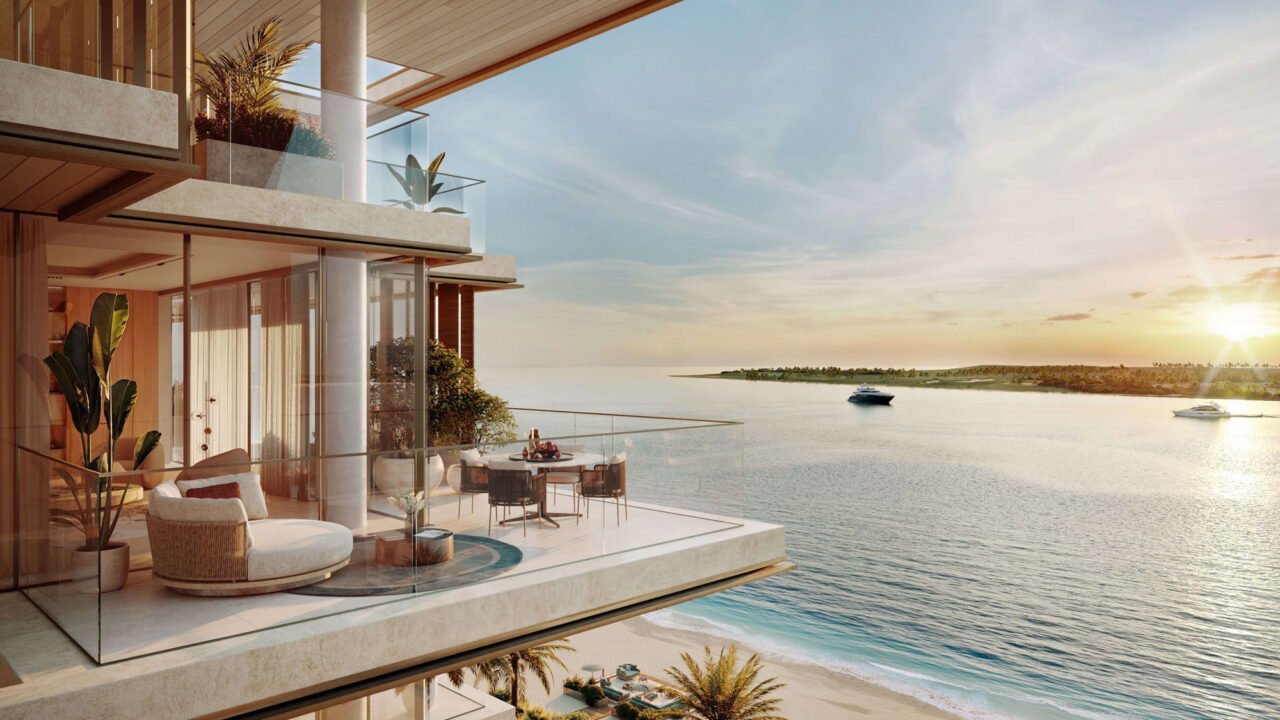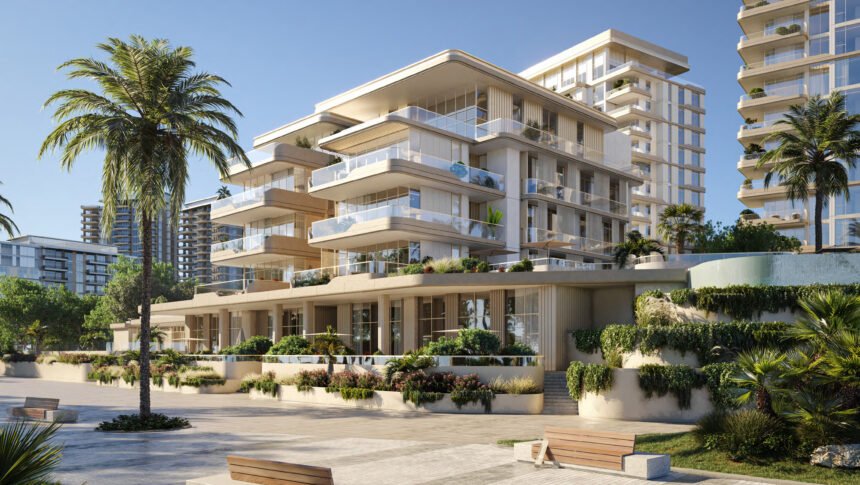

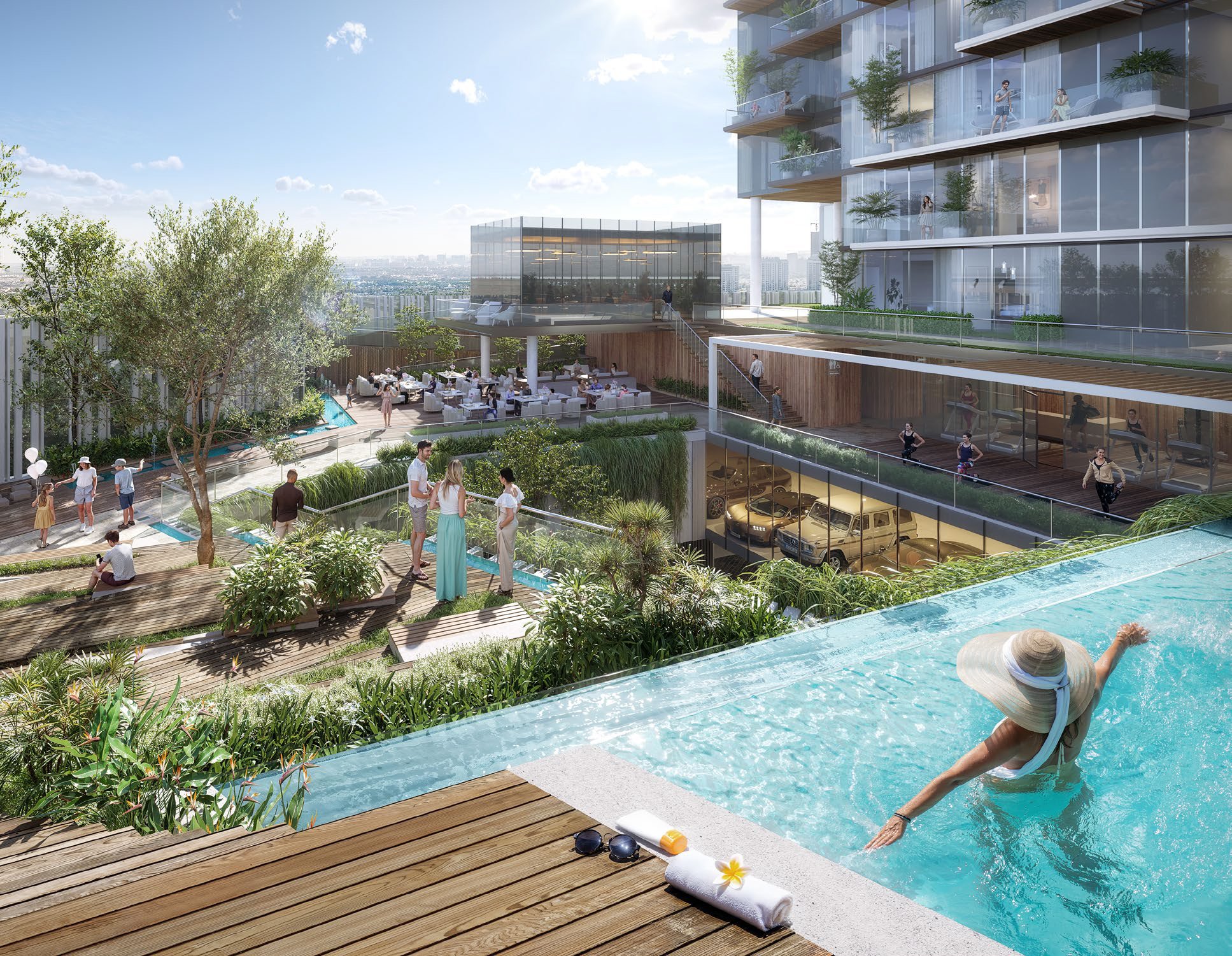
Dubai Islands (developed by Nakheel and previously known to many buyers as “Deira Islands”) is moving from “masterplan story” to a more investable, searchable, and visitable waterfront destination. For overseas buyers and Dubai-based expats, the appeal is straightforward: a brand-new coastal district close to old Dubai’s cultural core, yet designed around modern resort-style living with resort style amenities such as swimming pools, fitness centres, gardens, and social spaces. Dubai Islands is positioned as a smart coastal alternative, offering lower prices compared to premium islands like Palm Jumeirah.
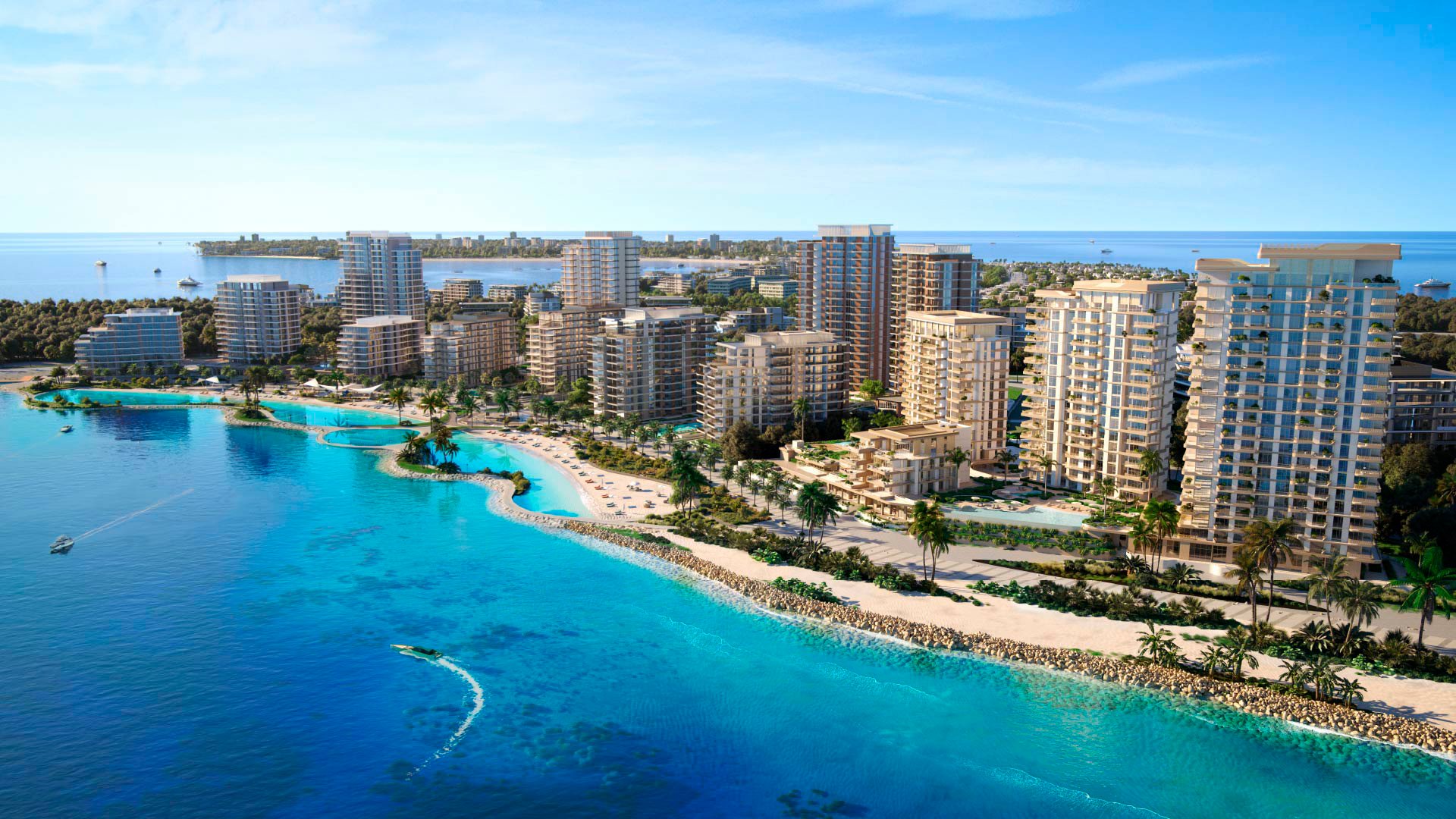
Nakheel positions Dubai Islands as a five-island waterfront vision aligned with the Dubai 2040 Urban Master Plan, built around beaches, marinas, hospitality, and residential communities. Substantial infrastructure investments are being made in the Dubai Islands, including a new 8-lane bridge and enhanced connectivity to the mainland, supporting the broader coastal development vision for the area.
Below is what matters most for 2026: what’s actually being built, how pricing is being framed in launches and listings, what macro-trends may influence values, and where opportunities can exist for buyers who want both lifestyle and investment logic. Dubai Islands is transforming into a vibrant community with significant investment in hotels, infrastructure, and residential projects.
Why Dubai Islands is gaining attention for 2026
A “new shoreline” with a clear planning narrative
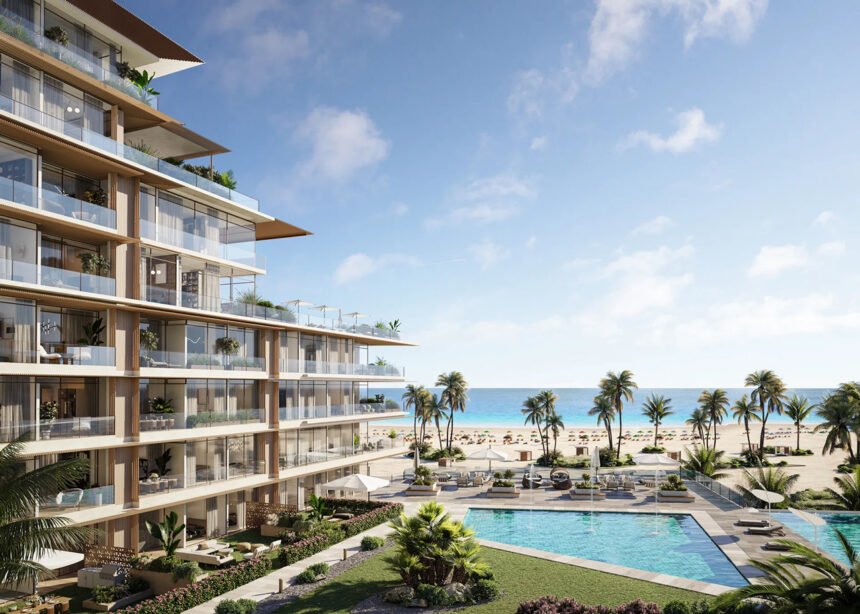
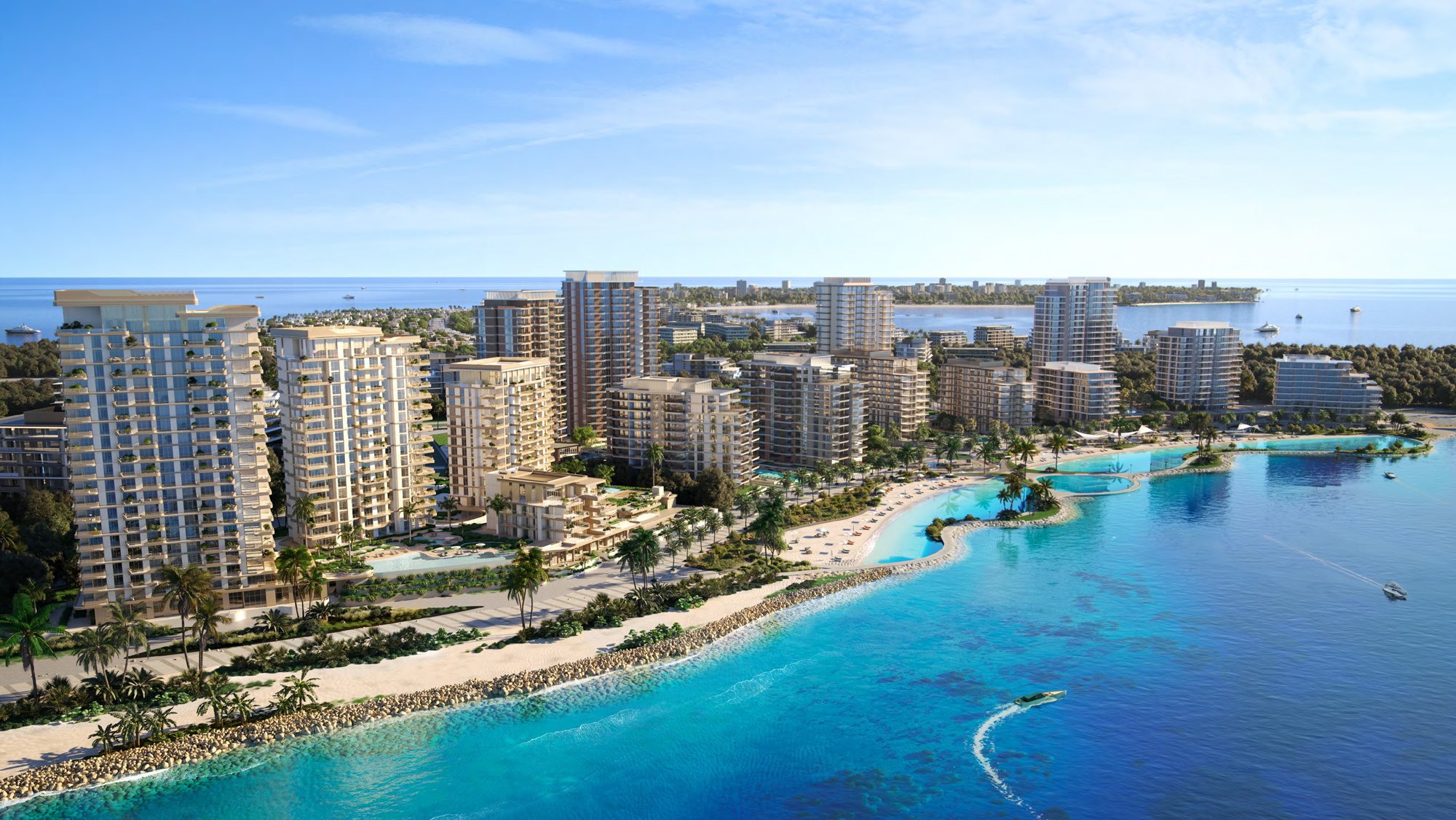
Dubai Islands is planned as an interconnected archipelago with extensive beachfront and open-space components, designed to expand public realm and waterfront capacity in line with long-term urban planning priorities. Nakheel has highlighted over 20 km of beaches, including a Blue Flag certified beach, plus parks/open spaces and a connected network of promenades and marinas. The masterplan also features a wide range of community amenities such as recreational facilities, retail outlets, and landscaped parks, enhancing the overall lifestyle appeal for residents and investors. By focusing on these amenities and mature infrastructure, Dubai Islands aims to become an established community, offering the stability and desirability found in Dubai’s most sought-after neighborhoods.
Location logic: coastal living without “deep suburb” trade-offs
For many international buyers, the map matters as much as the brochure. Dubai Islands sits on Dubai’s northern coastline, adjacent to Deira’s established neighborhoods and infrastructure, offering a different proposition than the more southerly coastal districts: shorter access to old Dubai’s commercial zones and the airport corridor, while still delivering a resort-led lifestyle concept.
This location is particularly attractive to young professionals seeking convenient access to major business hubs and lifestyle amenities.
While mid-market communities such as Jumeirah Village Circle (JVC) and Jumeirah Village Triangle (JVT) are known for their affordability, strong tenant demand, and solid rental yields, Dubai Islands offers a distinct value proposition focused on waterfront living and proximity to both traditional and modern Dubai, appealing to buyers looking for a unique blend of connectivity and luxury.

Dubai 2026 market context: growth, then normalization risk
To understand Dubai Islands pricing in 2026, you need a realistic read on the broader Dubai residential cycle. Dubai’s real estate market has demonstrated remarkable resilience and growth, with record transaction volumes and strong market performance in 2025, setting the stage for the trends shaping 2026.
As the market moves into 2026, it is transitioning from a period of rapid expansion to a more balanced phase, characterized by price stability and a moderation in price growth. Experts forecast that Dubai property prices will increase by a moderate 3-7% on average in 2026, reflecting a deceleration from the sharp gains of previous years. This shift signals a maturing, sustainable market environment where supply and demand are reaching equilibrium.
The overall market performance is also influenced by a high proportion of cash buyers, who provide structural stability and reduce systemic risk, especially at the high end of the market. In addition to residential properties, commercial assets are playing an increasingly important role in transaction volumes and investor activity. Dubai’s real estate market is entering 2026 from a position of exceptional strength after a record-breaking 2025, with a more mature, sustainable growth phase expected to continue.

What the data has been saying (up to the latest major reports)
Institutional research has described sustained price growth in Dubai through 2024–2025. For example, JLL has reported continued demand and rising sales prices, with off-plan activity playing a central role. Both JLL and Knight Frank note that rising transaction volumes and increasing property values are being driven by strong investor interest, with commercial assets also performing well. Major developers are influencing these trends by launching new projects and shaping supply and demand dynamics.
Knight Frank’s Dubai residential reporting also provides area-level price benchmarks and highlights the strength of prime and lifestyle locations during the cycle.
2026: two plausible scenarios investors should underwrite
Market participants should not ignore the possibility of a cooling phase as supply delivers. The Dubai Islands real estate market is expected to enter a more balanced phase in 2026, with growth proceeding at a measured pace that prioritizes long-term fundamentals over rapid expansion. Reuters, citing Fitch, reported expectations of a potential double-digit price decline tied to a surge in completions and supply pipelines after a multi-year upswing. Price growth in Dubai’s real estate market is expected to moderate in 2026 rather than reverse, reflecting market maturity and increased supply.
Separately, broader market coverage has described Dubai’s long price rally and the factors behind it, alongside concerns about sustainability and supply pressure. Buyer behaviour is evolving, with buyers becoming more selective and prioritizing ready properties, infrastructure, and long-term value, especially in segments where limited supply enhances exclusivity and investment stability.
Practical takeaway for Dubai Islands in 2026: Underwrite your deal assuming more normal market behavior—greater buyer choice, stronger negotiation leverage, and a wider spread between “best assets” and “average inventory.”
Regulatory environment: what’s new and what overseas buyers must know
Dubai’s real estate market is renowned for its transparency and investor-friendly approach, but the regulatory landscape is constantly evolving to keep pace with rapid expansion and global investor interest. For overseas buyers considering Dubai Islands or other emerging districts, understanding the latest regulations is essential for making confident, informed decisions.
Dubai Land Department (DLD): The Market’s Gatekeeper
The Dubai Land Department (DLD) plays a central role in shaping the dubai property market, ensuring that all transactions are secure, transparent, and in line with international best practices. Recent years have seen the DLD introduce a series of initiatives aimed at boosting investor confidence and supporting long term growth, particularly as new supply and off plan properties continue to attract both end users and international buyers.
Key Regulatory Updates for 2026
- Escrow Account Protection: One of the most significant safeguards for buyers of off plan properties is the mandatory use of escrow accounts. Developers must deposit all payments from buyers into regulated escrow accounts, ensuring that funds are only released as construction milestones are met. This system protects buyers’ investments and supports sustainable stability in the estate market.
- Project Transparency: Developers are now required to provide detailed, up-to-date information on project specifications, payment plans, and handover timelines. This transparency allows buyers to compare options across Dubai Islands, Downtown Dubai, Dubai Marina, and other high demand areas, and to assess developer reputation before committing.
- Ownership Rules for Foreigners: Overseas buyers can own freehold property in designated areas, including Dubai Islands and other major developments. It’s important to verify eligibility and understand the documentation required, as well as any restrictions that may apply to specific communities or asset types.
- Transaction Fees and Costs: While Dubai remains attractive for its lack of annual property taxes, buyers should budget for a 4% DLD registration fee, plus administrative and agency fees. These costs are standard across the dubai real estate market and should be factored into your investment calculations.

Why Staying Informed Matters
With Dubai’s population growth, economic growth, and continued demand from both end users and investors, the regulatory environment is designed to support long term value and protect all parties. However, regulations can change as the market matures and as new supply comes online in areas like Dubai South, Business Bay, and Dubai Islands. Staying up-to-date with the latest rules—especially around off plan investment, payment plans, and developer obligations—can help you avoid pitfalls and maximize your rental income or capital appreciation.
Practical Tips for Overseas Buyers
- Work with Reputable Partners: Choose established developers and licensed real estate agents who are familiar with the latest DLD requirements and can guide you through the process.
- Verify Project Status: Always confirm the current status of any off plan project, including escrow account details and handover timelines.
- Understand Your Rights: Familiarize yourself with your rights as a property owner, including resale procedures, rental regulations, and dispute resolution mechanisms.
Dubai’s regulatory framework is a key reason why the city remains a competitive alternative to other global cities for real estate investment. With strong rental yields, attractive payment plans, and competitive entry prices, the dubai property market continues to draw international buyers seeking both lifestyle appeal and long term growth. By staying informed and working with trusted professionals, you can confidently invest in Dubai Islands and other prime locations, taking full advantage of the opportunities in one of the world’s most dynamic real estate markets.
Dubai Islands in 2026: projects and what they signal about pricing
Dubai Islands is not a single tower launch story. It is a district where residential value will be shaped by three overlapping demand pools:
- End-users who want beachfront living with modern stock and managed amenities
- Investors targeting rental demand from long-stay residents and short-stay tourism spillover, attracted by strong rental demand and sustained demand for properties, supported by population growth and inbound migration
- Second-home buyers seeking Dubai exposure in a lifestyle-first location, including high net worth individuals looking for luxury and long-term value
The development of Dubai Islands is designed to support long term growth in the real estate market, ensuring stability and continued expansion for years to come.
Notable projects buyers are actively searching
A visible sign of momentum is the growing footprint of named projects tied to the master development. Major developers such as Nakheel, Emaar, and Damac are actively shaping the Dubai Islands real estate market by launching landmark communities and innovative properties. For example, Nakheel’s own launch page for Bay Grove Residences positions it as a waterfront residential offering with 1–4 bedroom layouts and sea/city views. New projects are increasingly integrating smart home technology and energy-efficient designs, reflecting the latest trends in sustainable living.
On the resort-branded side, Rixos Dubai Islands Hotel & Residences is widely marketed across the brokerage ecosystem as a hospitality-led lifestyle product. Key phases of development, including units in Rixos Dubai Islands and various projects from developers like Emaar and Damac, are expected to be handed over around 2026, marking significant progress for the Dubai Islands.

What “prices” means here (and how to read it responsibly)
Because developer masterplan pages typically do not publish unit-by-unit pricing, buyers often see pricing first through launch communications and major portals. That means you should treat published numbers as indicative ranges, then validate with a fee sheet and availability list at the time you buy.
Apartment prices in Dubai Islands are influenced by location, quality, and supply, with 92% of the residential offerings being apartments and only 8% being villas. Villa prices have generally led the market, but due to limited supply on Dubai Islands, apartment prices are the primary focus for most buyers. The average off-plan price in Dubai Islands recently hiked to AED 2,340 per square foot, making it an affordable waterfront district compared to similar neighborhoods. Off-plan prices in Dubai Islands have witnessed a 17.7% surge from December 2024 to December 2025, indicating potential for sustained capital appreciation. The average price for properties in Dubai Islands is currently AED 3,272,000, reflecting a double-digit dip of 43.7% overall prices.
Here are examples of publicly visible entry points and ranges that buyers were seeing recently:
- Bay Grove Residences: units reported from AED 1.85M at launch.
- Rixos Dubai Islands Hotel & Residences: listings commonly show apartments starting around the mid–AED 2M range, with higher-end stock extending materially above that.
Quick comparison table: projects, positioning, and indicative entry pricing
| Project / Community | Positioning | Typical unit types | What to check in due diligence | Indicative public pricing signals*5 |
|---|---|---|---|---|
| Bay Grove Residences (Nakheel) | Core residential waterfront product | 1–4BR apartments, duplexes/penthouses (by phase); note limited supply of certain premium unit types | Phase/hand-over schedule, service charges, view premiums, payment plan structure | From AED 1.85M reported at launch; average off-plan price recently hiked to AED 2,340 per sq ft, reflecting lower entry prices compared to other premium waterfront districts |
| Rixos Dubai Islands Hotel & Residences | Resort-branded lifestyle / hospitality integration | Apartments + higher-end stock (limited supply in select layouts) | Management/brand terms, usage rules (if any), fee structure, resale liquidity | Listings show a broad range; entry often in AED 2M+ territory |
*These are publicly surfaced figures from launch/listing sources and should be verified against current availability, view line, and payment plan at the time of reservation. Lower entry prices for off-plan projects in Dubai Islands, with an average of AED 2,340 per sq ft, make it an affordable waterfront district. Limited supply of certain unit types can drive demand and support price appreciation.
Opportunities in 2026: where smart buyers may find an edge
Below is a short due-diligence list you can apply to any Dubai Islands unit—useful whether you are buying for living, renting, or resale.
1) “Early-district pricing” versus mature beachfront locations
Established beachfront districts in Dubai often carry maturity premiums: proven retail, stabilized rental patterns, and known service-charge behavior. Dubai Islands is earlier in that curve. In 2026, the opportunity can be buying the right product before the district is fully priced as a mature coastal hub—while being selective about micro-location, view corridor, and handover credibility. Early pricing in Dubai Islands is also competitive when compared to mid-market communities like JVT and JVC, offering relatively lower entry prices and strong growth potential for investors seeking affordability and future appreciation.
2) Off-plan strategy: structure matters more than headlines
In a market that may normalize, the best opportunities tend to be created by terms, not hype:
- Payment plans that preserve flexibility, with many developers now offering flexible payment plans that make off-plan properties more accessible to a wider range of investorsClear handover timelines
- Transparent service-charge expectations
- Product differentiation (real waterfront feel, not “water-adjacent” marketing)
- Cash buyers play a crucial role in providing stability to the off-plan market, especially at the high end, helping to reduce systemic risk and support overall market resilience.
3) Hospitality and lifestyle demand as a stabilizer
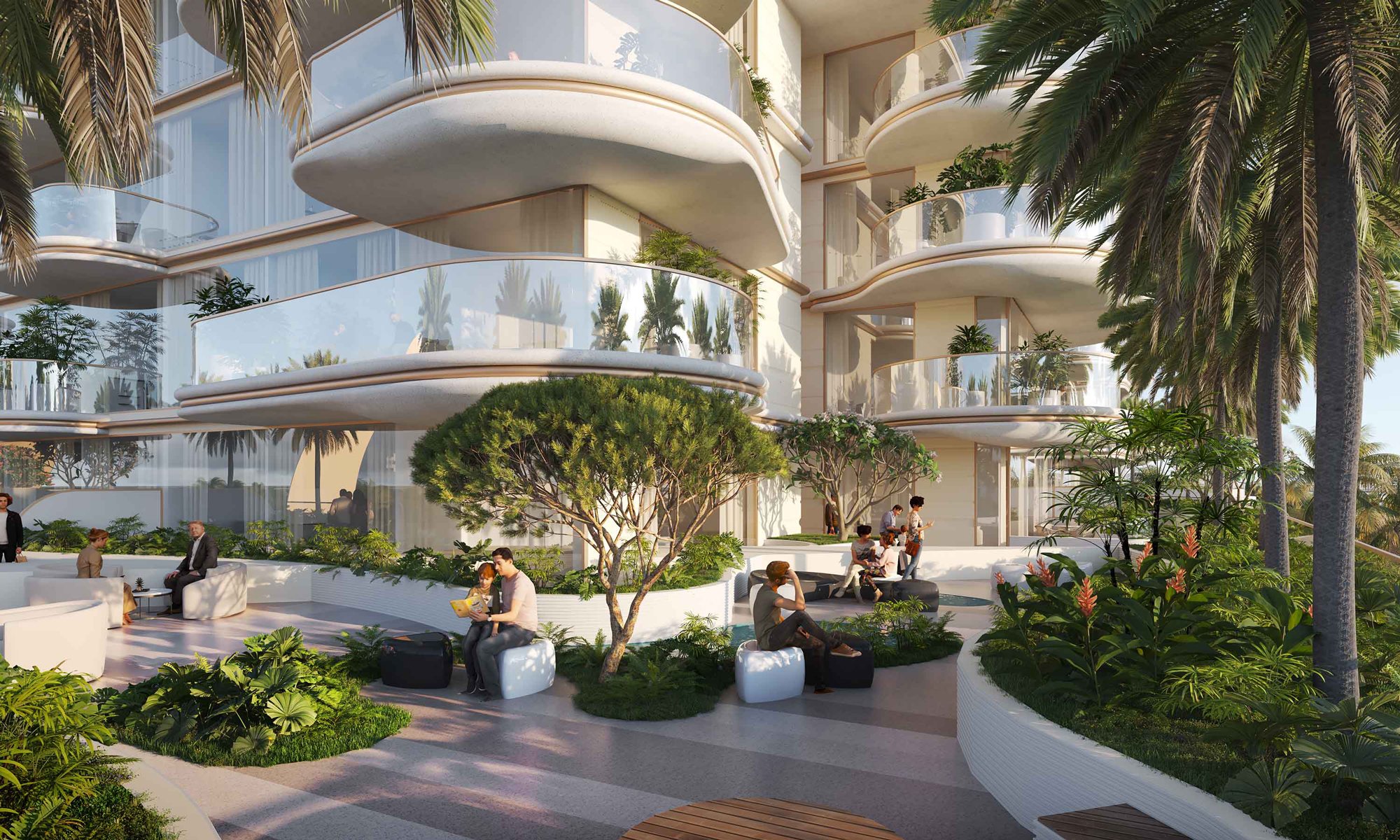
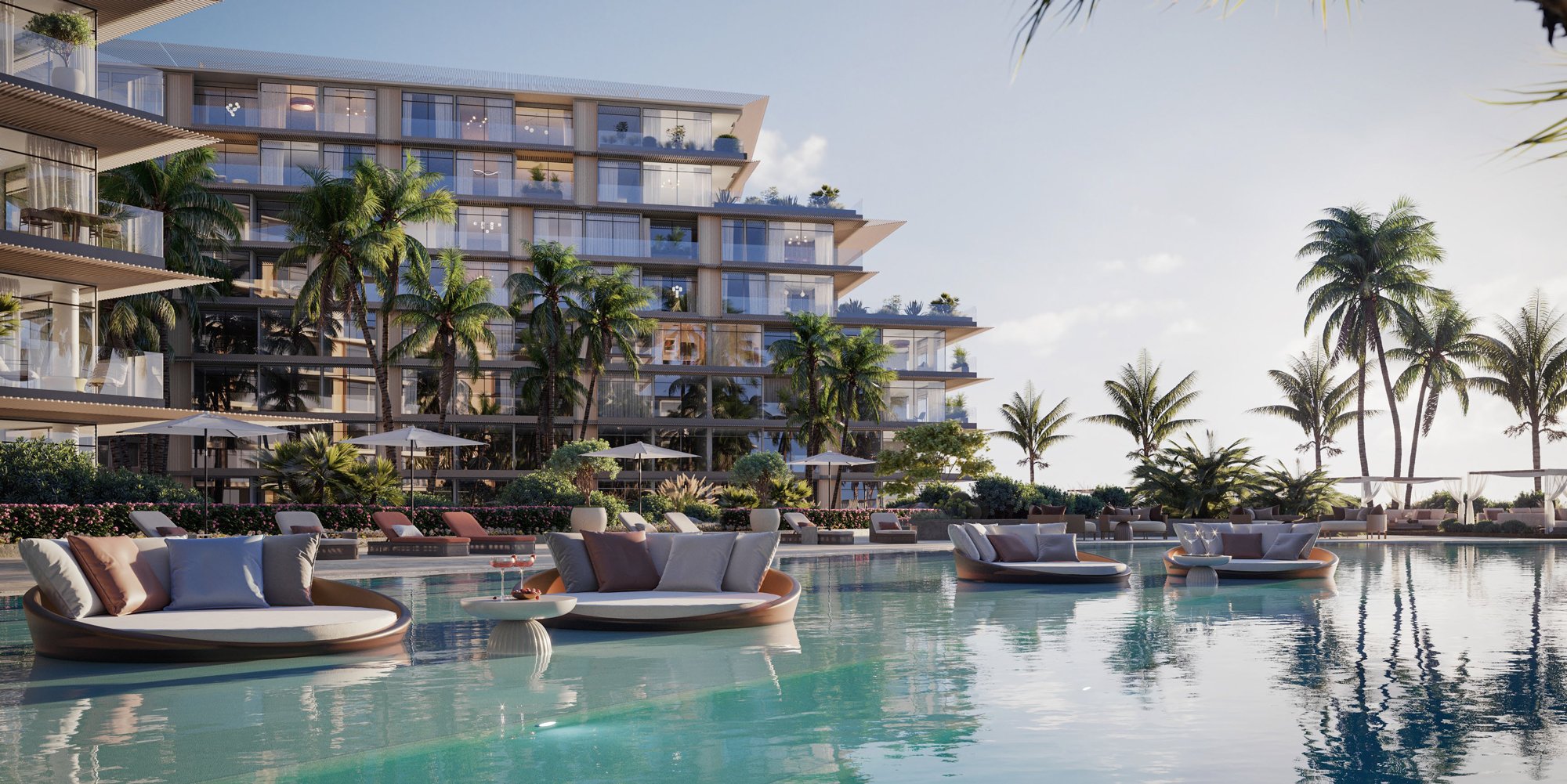
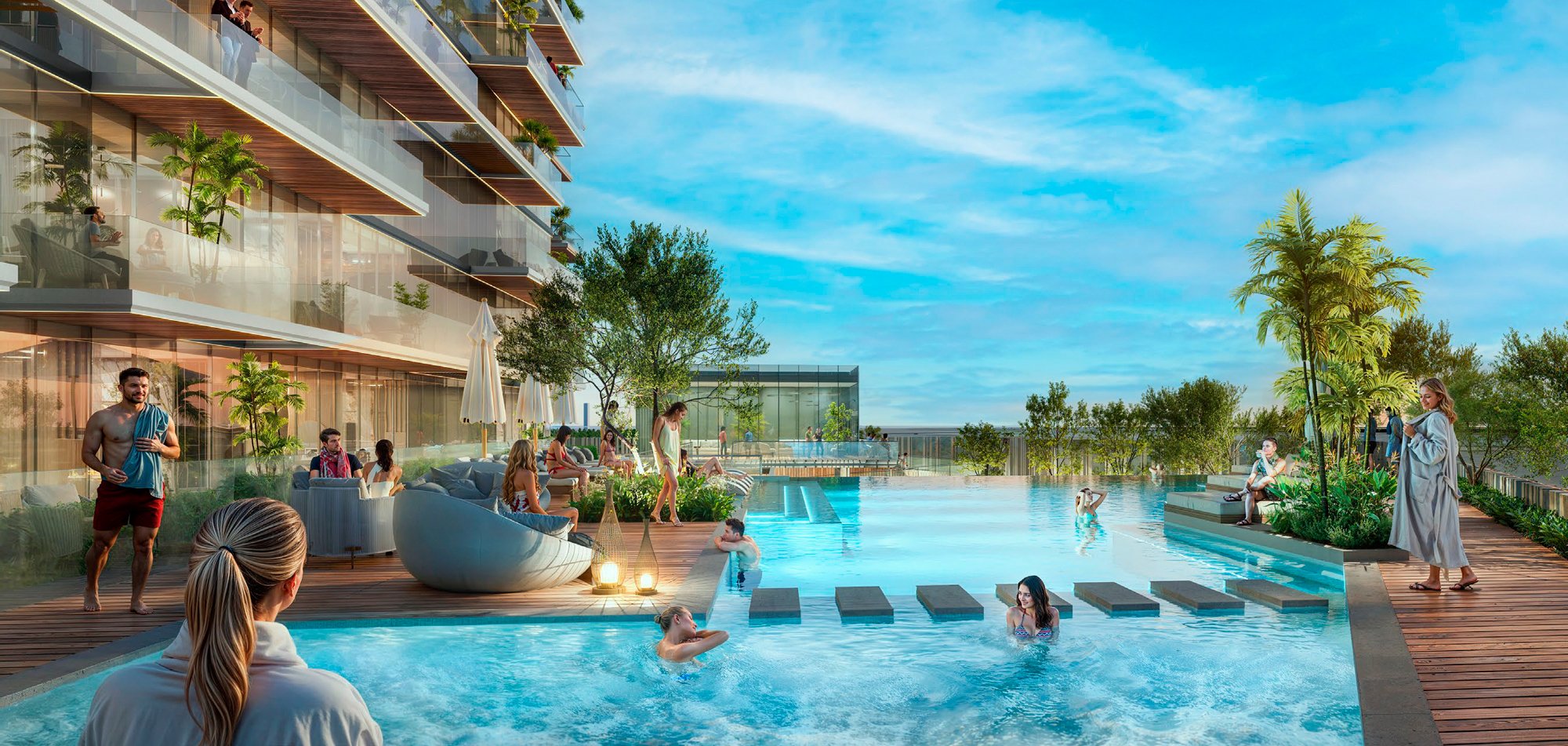
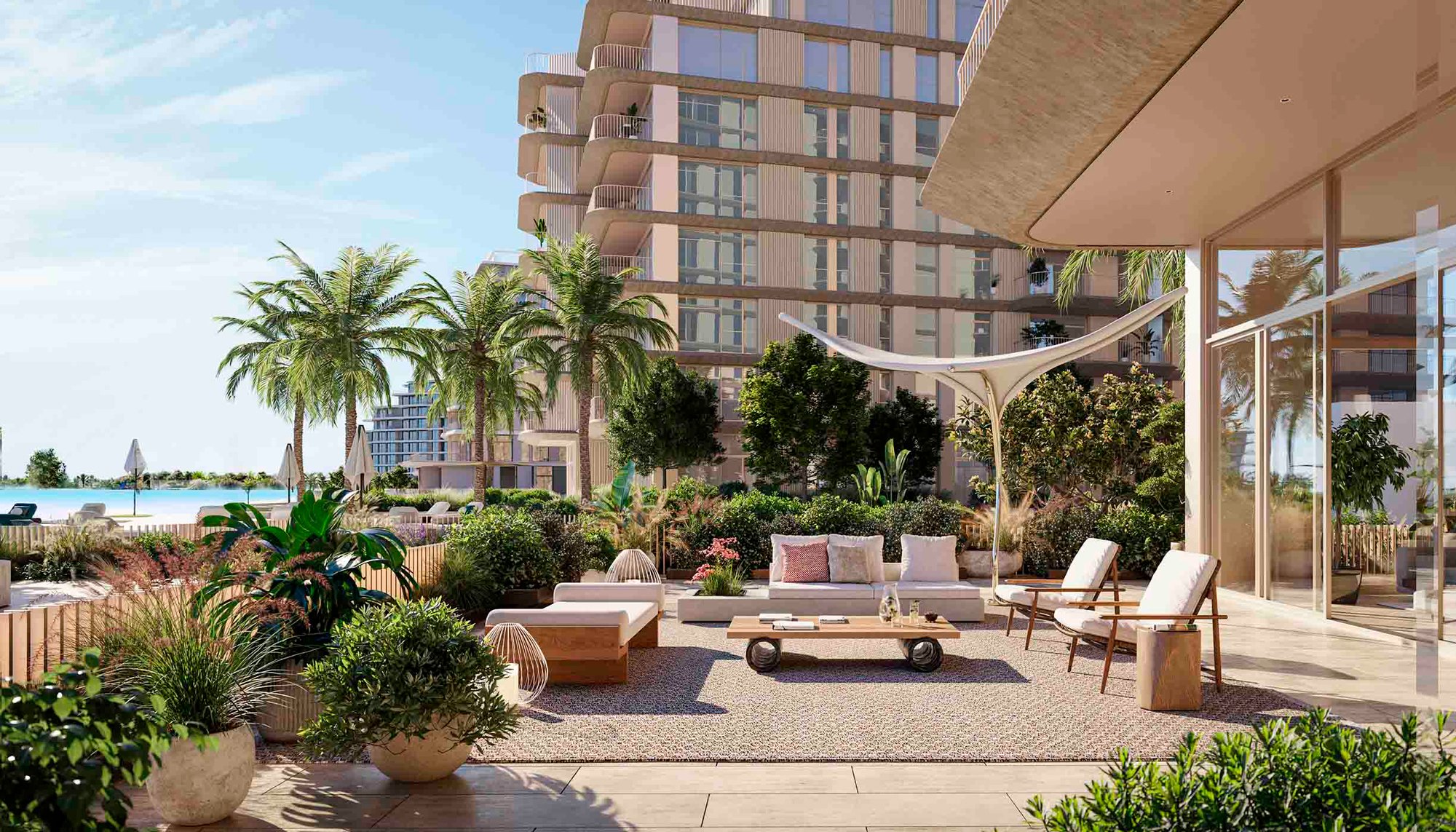
Nakheel’s vision for Dubai Islands emphasizes resort and lifestyle DNA as part of the destination identity. Many Dubai Islands projects feature resort-style amenities, including swimming pools, fitness centres, landscaped gardens, children’s play areas, and social spaces, creating a resort-like atmosphere for residents.
That matters because districts designed for leisure and hospitality often benefit from broader demand channels (end-users, second homes, and tourism-related rentals), which can help support occupancy even when the wider market cools. Dubai Islands are also particularly appealing to high-net-worth individuals seeking luxury, exclusivity, and premium living experiences.
Buying checklist: what overseas investors should verify (especially in 2026)
Below is a short due-diligence list you can apply to any Dubai Islands unit—useful whether you are buying for living, renting, or resale.
- Developer + phase clarity: exact phase, building, and handover window
- View reality: confirm sightlines (future plots can change “open view” assumptions)
- Service charge expectations: ask for comparable projects and assumptions
- Exit liquidity: which unit types trade fastest (typically mid-size, best layouts)
- Rental strategy fit: long-term resident profile vs short-stay positioning
- Macro sensitivity: be honest about downside scenarios (flat or softer prices)
- Evolving buyer behaviour (2026): buyers are becoming more selective, focusing on developer reputation, project location, and long-term rental demand
- Property values and capital appreciation: assess current property values and the potential for capital appreciation, considering supply, demand, and market stability when evaluating Dubai Islands units
Dubai Islands in 2026 is about selectivity, not speculation
Dubai Islands is emerging as a meaningful waterfront district built around a clear masterplan narrative—five islands, beaches, promenades, and a lifestyle-led concept aligned with Dubai’s long-term urban direction. In 2026, the Dubai islands real estate market is expected to enter a more balanced phase, characterized by price stability and sustainable long-term growth. This shift reflects a maturing market where supply and demand are reaching equilibrium, and performance will vary by location and segment.
For 2026, the opportunity is real—but it is not automatic. Sustained demand, driven by population growth and employment, will support rental market stability, while the balance between off-plan and completed homes is expected to improve, reflecting a healthier market dynamic. Buyers should assume a more balanced market environment, do stricter micro-location analysis, and prioritize assets that will stay attractive when buyer choice expands.
What types of properties are available on Dubai Islands?
What price range should I expect in 2026?
Is 2026 a good time to invest, given oversupply concerns?
Is off-plan buying on Dubai Islands suitable for overseas buyers?
What should I prioritize: end-user comfort or investor metrics?
Looking to explore premium apartments in Dubai Islands?
Our team at Alcenza can support you end-to-end, from consultation to closing



Why Dubai Islands Is Dubai's Next Luxury Coastal Destination
Dubai has built its reputation on transforming audacious visions into reality
Waterfront Living on Dubai Islands – Lifestyle, Amenities, and Property Types
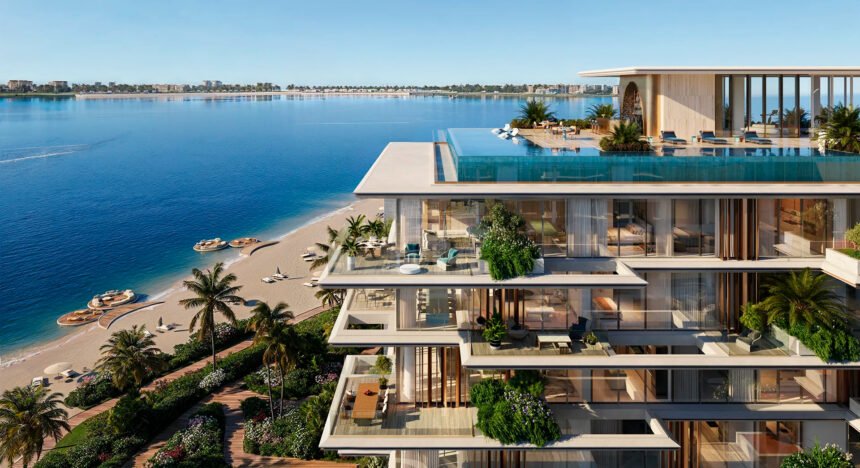
There’s something magnetic about waking up to water views every morning
Table of contents
- Why Dubai Islands is gaining attention for 2026
- Dubai 2026 market context: growth, then normalization risk
- Regulatory environment: what’s new and what overseas buyers must know
- Dubai Islands in 2026: projects and what they signal about pricing
- Quick comparison table: projects, positioning, and indicative entry pricing
- Opportunities in 2026: where smart buyers may find an edge
- Buying checklist: what overseas investors should verify (especially in 2026)
- Dubai Islands in 2026 is about selectivity, not speculation
- FAQ
Why Dubai Islands Is Dubai's Next Luxury Coastal Destination
Dubai has built its reputation on transforming audacious visions into reality
Waterfront Living on Dubai Islands – Lifestyle, Amenities, and Property Types
There’s something magnetic about waking up to water views every morning